CAMPUS AND CENTRE REPORTS
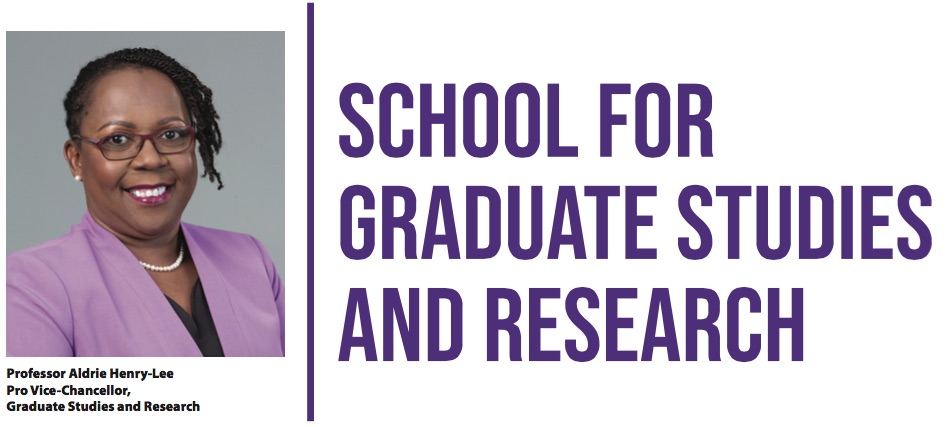
School for Graduate Studies and Research
The School for Graduate Studies and Research (SGSR) furthered the institution’s Triple A Strategy— Access, Alignment, and Agility—by advancing graduate education, research productivity, robust governance, and institutional visibility. Amid financial constraints, SGSR introduced new graduate programmes, bolstered research integrity and supervision, and expanded international collaborations. Notable highlights include the successful One-UWI Professors Emeriti Mentorship Programme, the launch of new research clusters, and expanded access for graduate students through scholarships. Persistent funding challenges for scholarships and research underscore the need for ongoing institutional support.
Access
Programme Development and Quality Assurance
Thirty new and six revised graduate programmes were approved across multiple campuses, including nine new offerings at the Sagicor Cave Hill School of Business and Management—two of which include a Commercial Pilot License. The Five Islands Campus adopted several established programmes, thereby broadening access for graduates. The Quality Assurance Unit coordinated reviews across all campuses to maintain high standards in graduate delivery, with assessments spanning disciplines from Gender and Development Studies to Engineering and Clinical Medical Sciences.
International School for Development Justice (ISDJ)
SGSR continued to advance UN SDG-aligned graduate programmes, focusing on online course conversions, short-course development, and marketing strategies. The Monitoring and Evaluation Committee, chaired by Professor Aldrie Henry-Lee, ensured timely progress and identified instructional designers to expedite course conversion.
Graduate Access Through Scholarships and Mobility
SGSR promoted and administered a range of regional and international graduate scholarships, such as the Queen Elizabeth Commonwealth and CCRIF Scholarships, and introduced six new awards. Despite these efforts, UWI-funded graduate scholarships remained unfunded for a second year, affecting the enrolment of research students. The Intra-Caribbean Academic Mobility Programme (ICAMP) supported eighteen fully funded Master’s students, with four scholarships totalling US$168,486 awarded this year. ICAMP also integrated industry-linked internships, supporting both student development and industry research needs.
Strengthening Graduate Student and Staff Development
The SGSR invested in professional development with initiatives such as:
- The One-UWI Professors Emeriti Mentorship Programme, which concluded its inaugural cycle with high satisfaction among early-career academics and refined administration based on participant feedback.
- The Writing for Publications Bootcamp, attended by 825 participants, focused on journal selection, peer review, and predatory journals, and 136 participants earned certificates for sustained participation.
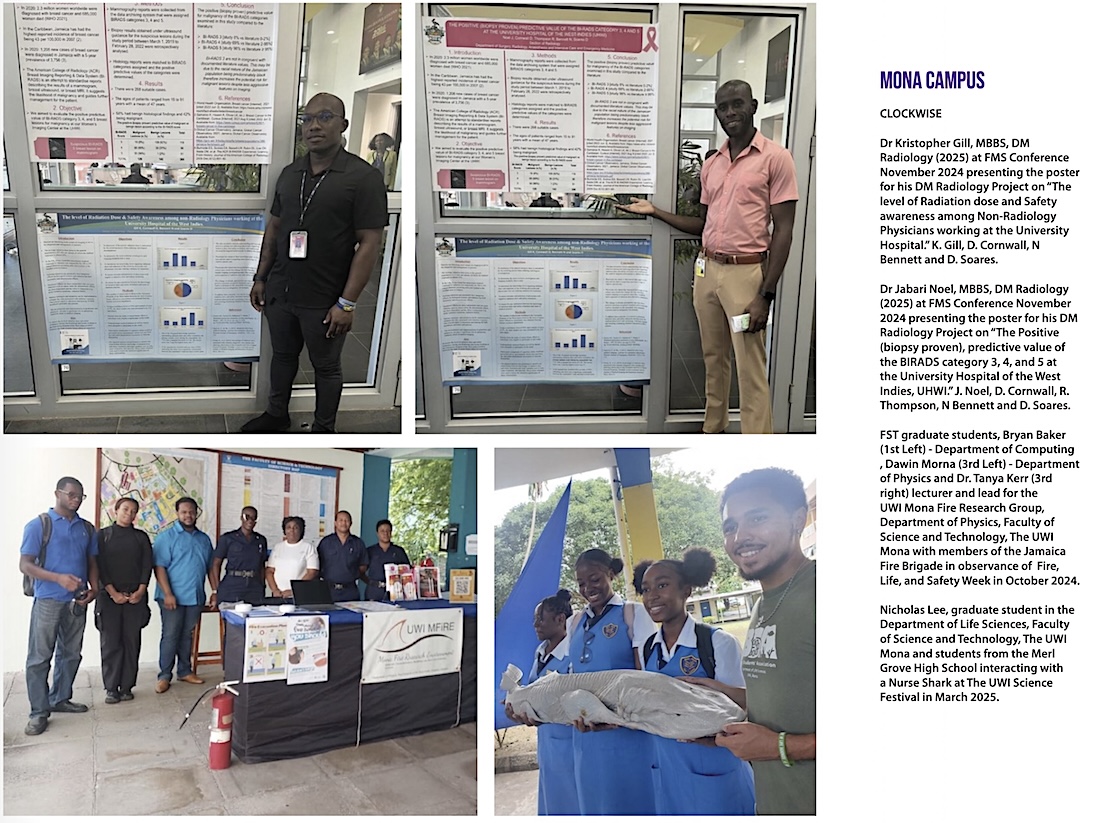
- Campus-based capacity-building events, such as research ethics workshops and thematic seminars, increased cross-campus collaboration and reinforced graduate capacity.
One-UWI Postgraduate Student Conference
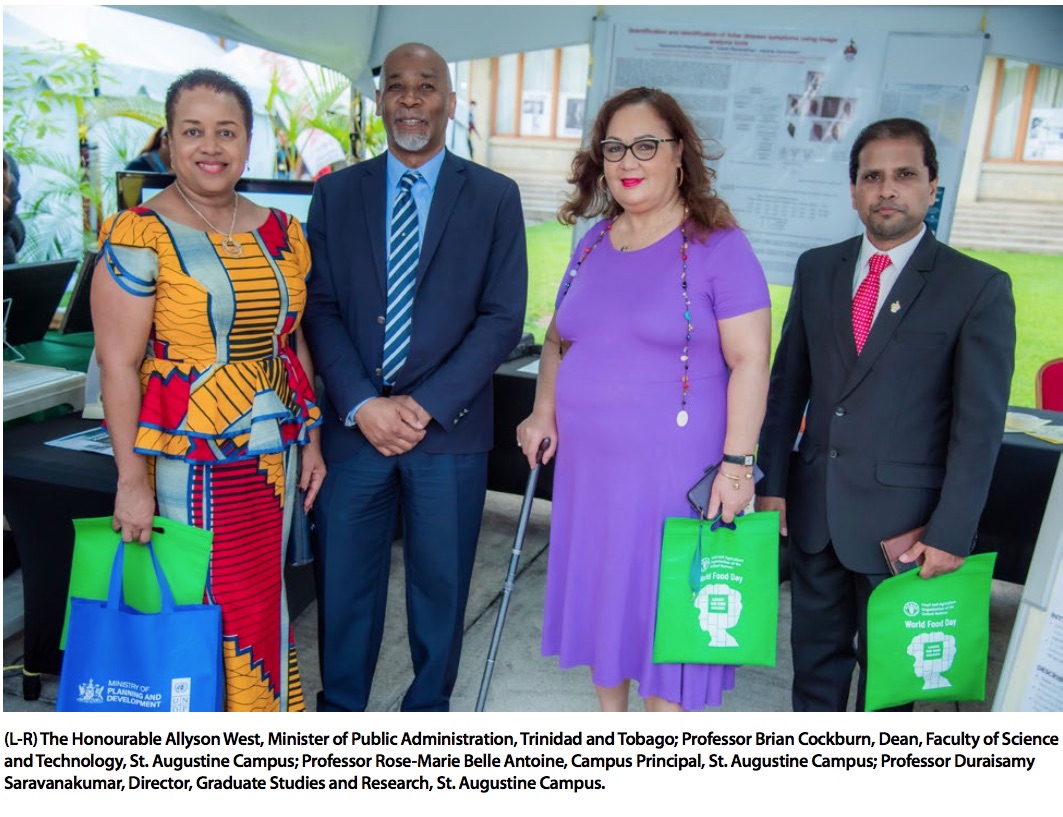
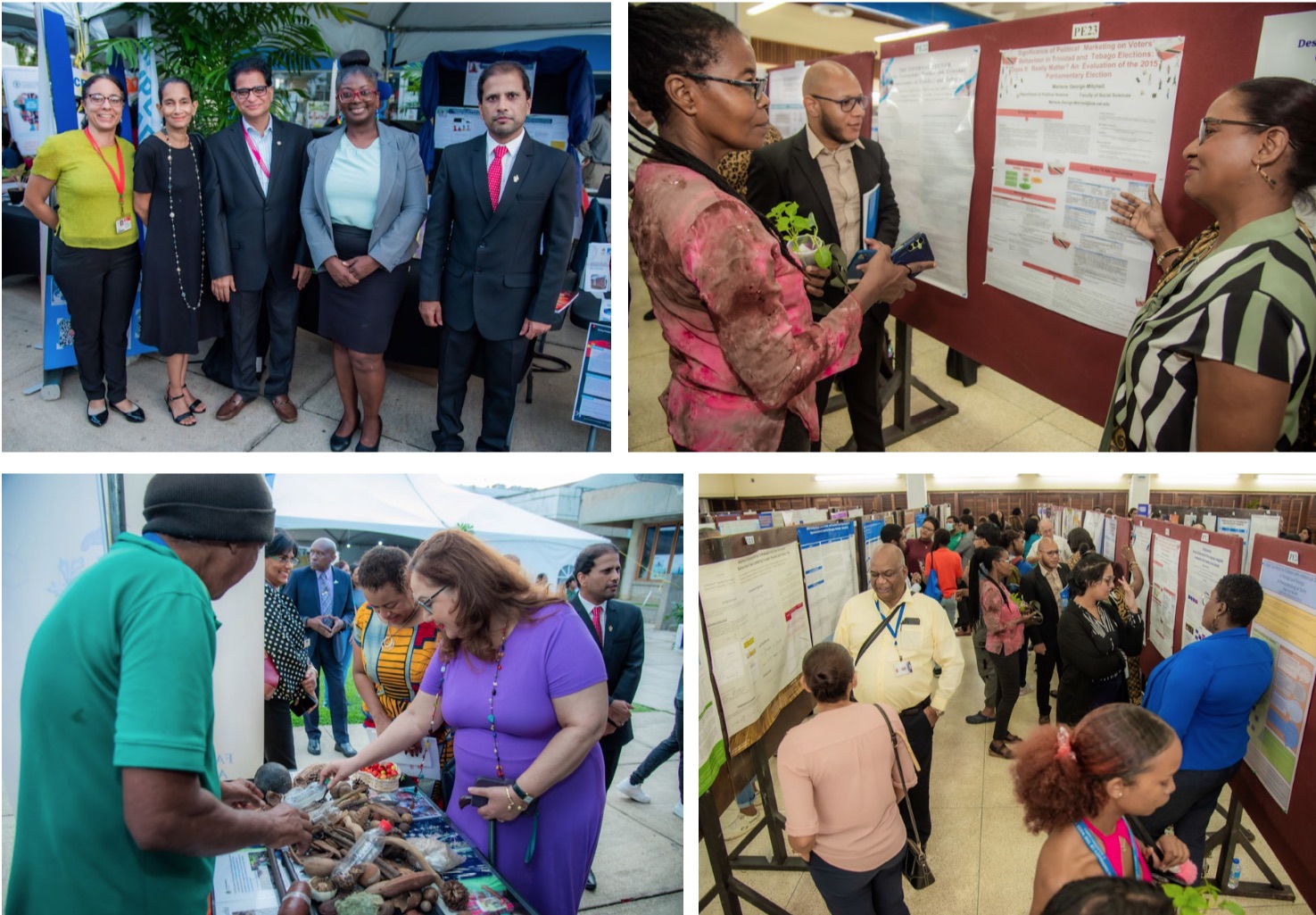
The second annual conference, themed “Collaborative Horizons: Interdisciplinary Visions for Caribbean and Global Progress,” attracted 634 participants, 55 research presentations, and keynote addresses from distinguished speakers, thereby reinforcing interdisciplinary research and capacity building.
One-UWI Online Town Hall Meeting
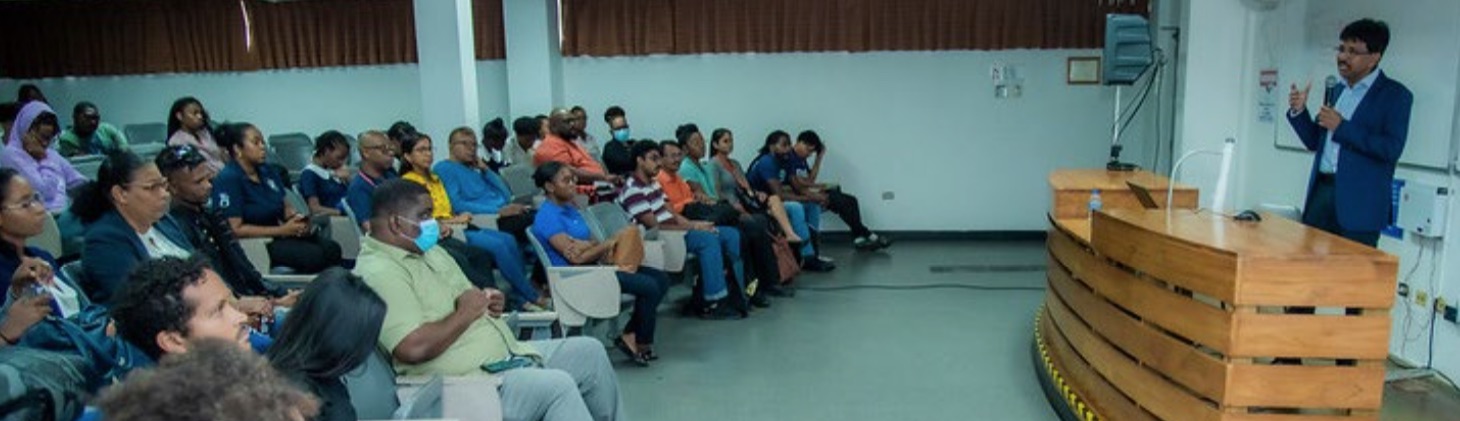
This virtual event facilitated direct dialogue between postgraduate students and leadership, informing service improvements and demonstrating a commitment to student-centred engagement.
Research Capacity, Productivity, and Integrity
Research Integrity and Productivity SGSR advanced research integrity through publisher-verification guidance and anti-predatory- journal resources. The document ‘Strategies to Enhance Research Productivity at The UWI’ was circulated to stakeholders and made publicly accessible.
One-UWI Research Clusters
Three new clusters were launched—Resilience through Entrepreneurship, Reparatory Justice, and Transdisciplinary Disaster Risk Management and Resilience—fostering cross-campus collaboration.
Research Supervision
The 2nd One-UWI Graduate Research Supervisors’ Forum addressed student satisfaction, supervisory roles, artificial intelligence, and best practices to enhance the supervisory experience.
International Collaboration
SGSR facilitated agreements and ongoing negotiations with Northwestern University (USA), Imperial College (UK), and GIZ (Germany), strengthening UWI’s global research profile.
Visibility, Engagement, and Knowledge Dissemination Marketing and Communications
A revised Marketing and Communications Plan was implemented, along with the inaugural issue of the SGSR Magazine and two issues of the Research at the Centre Bulletin. The Research Focus television series and expanded digital engagement—including improved website management and the launch of a Linktree hub—bolstered institutional visibility.
ALIGNMENT
Research Funding and Grants Management
SGSR supported research proposals valued at over US$18.2M, with approximately US$6.7 million in successful awards. ICAMP (US$2.3 million) and eight other projects (over US$12.4 million) were collaboratively managed, enhancing grant management capacity. Donor registration portals and a comprehensive database of funding agencies improved readiness for external funding.
Intellectual Property and Commercialisation
SGSR managed patents, supported policy revision, and provided guidance for commercialising research. Notably, two new microorganisms associated with Sargassum were internationally recognised, evidencing UWI’s scientific contributions.
Research Ethics
Institutional ethics approval remained mandatory for funded research, collaborations, and reputable publications. SGSR, as Secretariat for the University Research Ethics Committee, streamlined ethics training access and formalised a national ethics collaboration with Trinidad and Tobago’s Ministry of Social Development and Family Services.
AGILITY
Revenue Generation
SGSR delivered professional development workshops to external stakeholders, generating revenue and supporting operational activities. A fundraising concept note was completed to explore sustainable funding streams for postgraduate bursaries.
Conclusion
The School for Graduate Studies and Research made significant progress toward The UWI’s strategic objectives despite financial headwinds. Key achievements include programme expansion, enhanced research capacity, and increased international engagement, supported by robust governance and visibility initiatives. Ongoing challenges in scholarship funding and research support require continued advocacy and innovation to sustain the momentum and impact of graduate education and research at The UWI.
Capacity building and SGSR Workshops
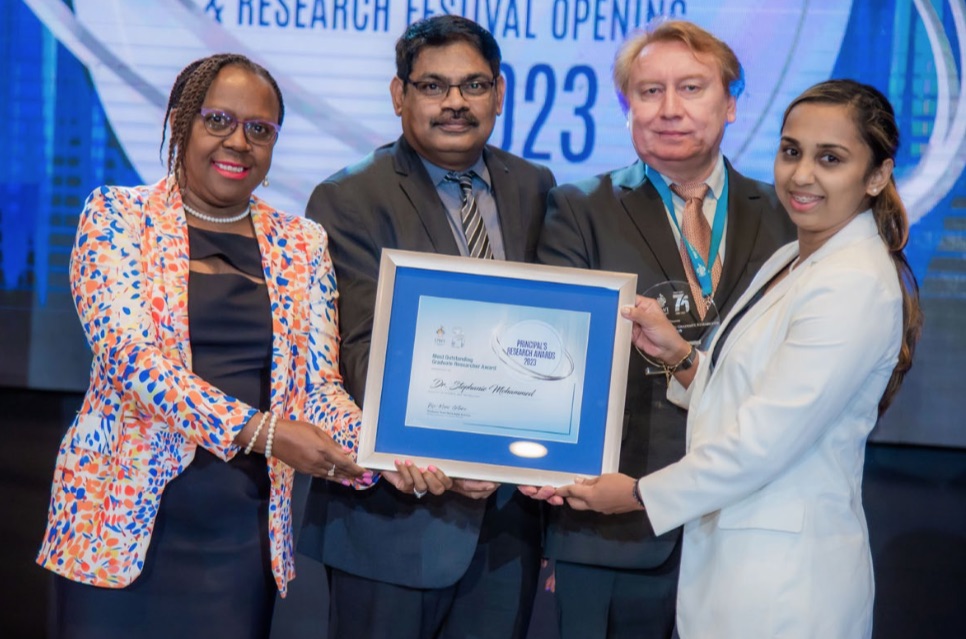
One-UWI Postgraduate Student Conference 2024
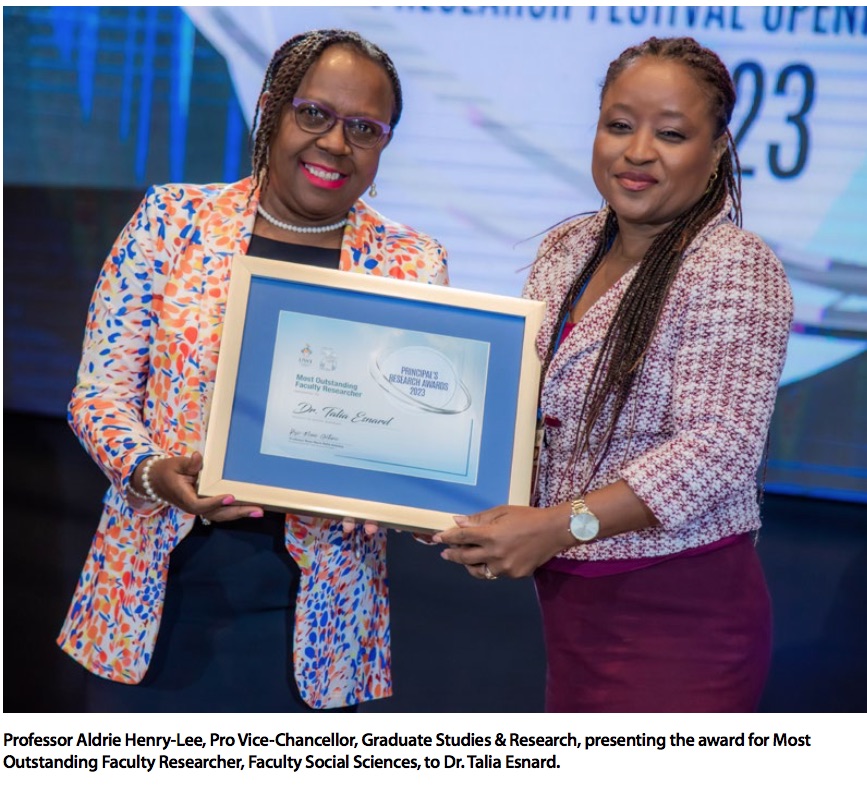
Cave hill Campus