Specialised centres, units, institutes and departmental reports
The Centre for Reparation Research
The Centre for Reparation Research (CRR) at The UWI continued to play a pivotal role in advancing reparatory justice across the Caribbean and beyond from July 2024 to July 2025. Now in its eighth year, CRR remains committed to research, advocacy, and education related to the legacies of colonialism, African enslavement, Asian indentureship, and their ongoing impacts.
STRATEGIC ALIGNMENT AND OBJECTIVES
CRR’s activities were guided by UWI’s Triple A Strategy—Access, Alignment, and Agility. The Centre promoted research and education on colonial legacies, expanded outreach in schools (notably through the CAPE History syllabus), and facilitated international partnerships. Efforts to diversify funding included successful grant applications and increased institutional collaborations.
Key Achievements:
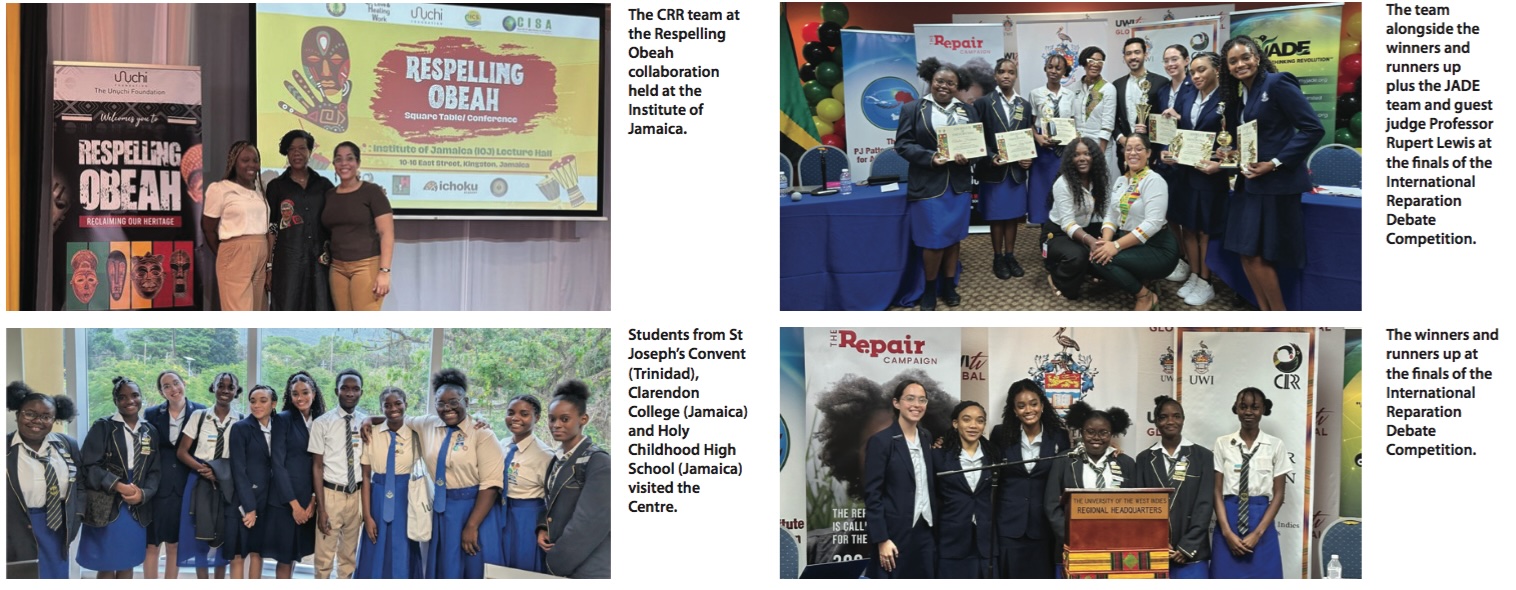
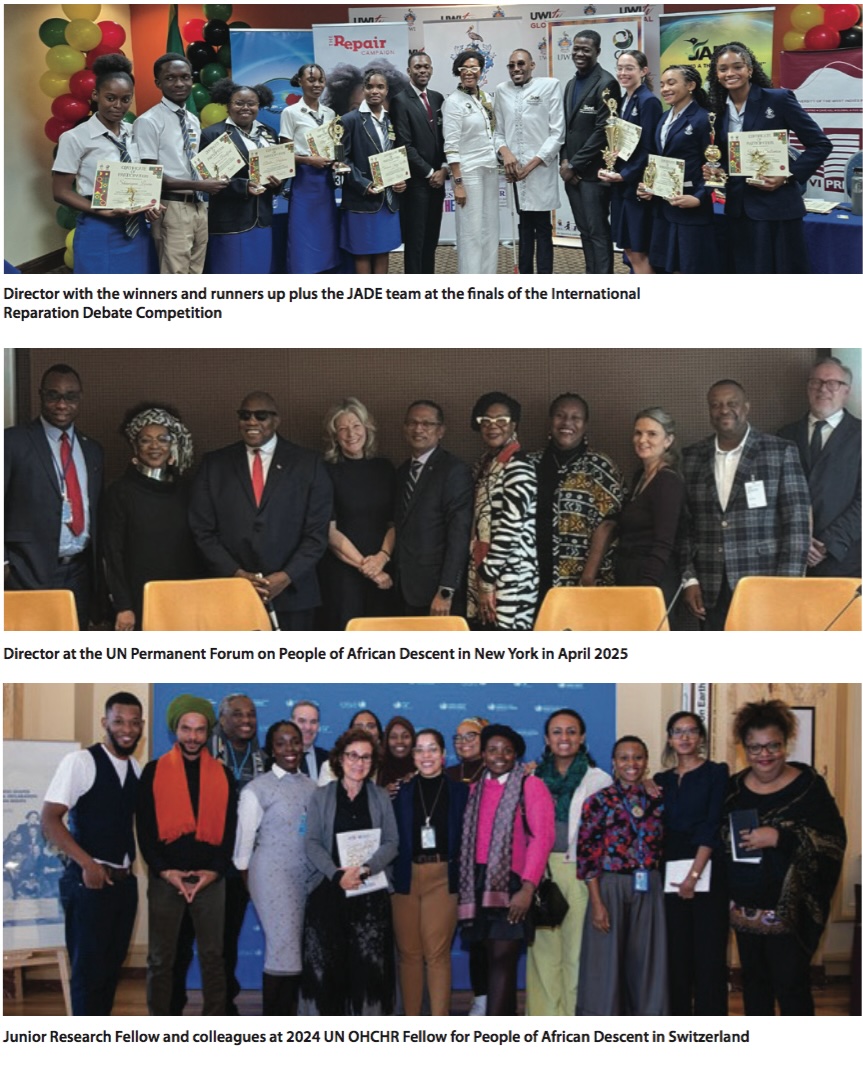
- Fundraising enabled the launch of the inaugural International Reparation Debate Competition, engaging over 100 students from six countries. The event significantly raised youth awareness and received broad regional media coverage.
- CRR launched the Reparatory Justice Research Cluster, fostering interdisciplinary scholarship and postgraduate support.
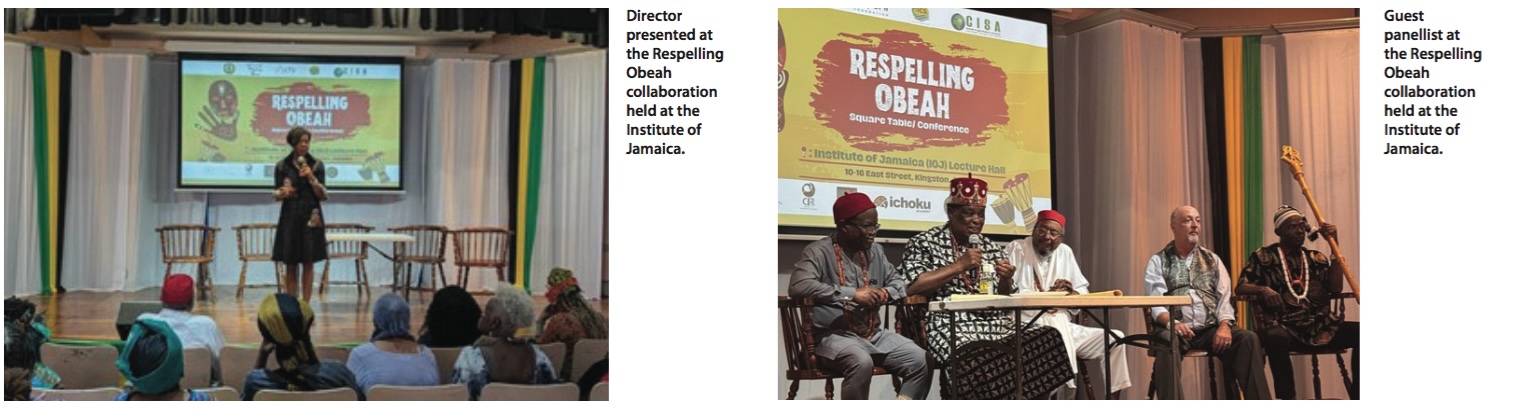
- A robust programme of advocacy and outreach included webinars on public health, cultural reparation, spiritual heritage, climate justice, and education reform. These activities aligned with the CARICOM Ten Point Plan and deepened engagement with scholars, activists, and diaspora communities.
- The Centre expanded its social media presence, leading to greater public engagement and discourse on reparatory justice.
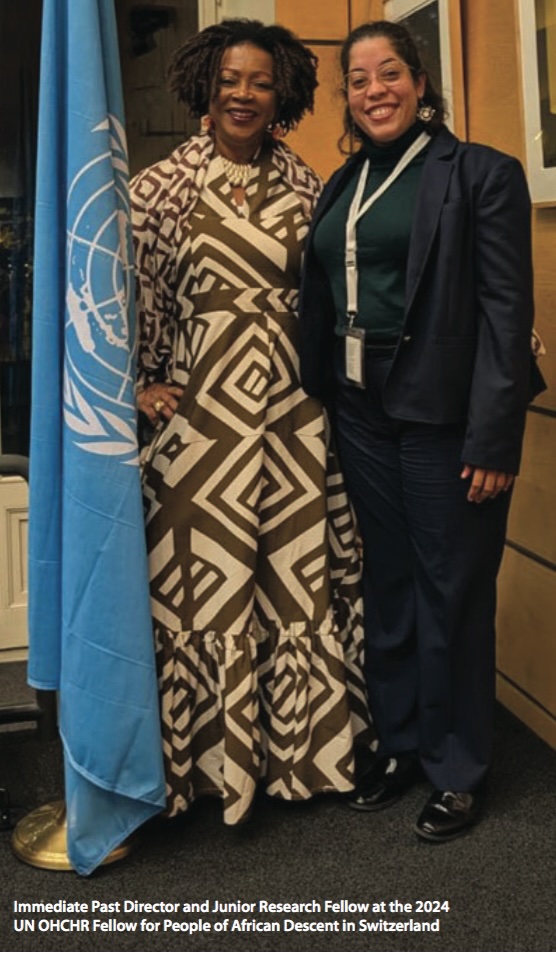
- CRR staff actively participated in international conferences and forums, including the UN Permanent Forum on People of African Descent, further enhancing the Centre’s visibility and influence.
Community Engagement and Recognition
CRR supported events tied to Emancipation Day, African History Month, and Maroon celebrations. Media outreach and educational campaigns promoted decolonising Caribbean education. The Centre received the 2025 JADE Empowerment Award for youth engagement, and its Director, Professor Sonjah Stanley Niaah, was honoured for contributions to justice and culture.
Operational Challenges
Staffing remained below mandated levels, with a skeletal team of three. Despite these constraints, CRR maintained high-impact operations and continued to build capacity through occasional external support.
Publications and Knowledge Dissemination
CRR published a bi-weekly “Reparation Conversations” column in the Jamaica Sunday Gleaner and contributed scholarly articles and book chapters, furthering public and academic awareness.
Conclusion
The CRR’s strategic outcomes emphasised a commitment to enhancing regional and international visibility, promoting youth and public education, supporting the goals of the CARICOM Ten-Point Plan, and strengthening the connections between academia, community, and policy. Looking ahead it plans to expand the International Reparation Debate Competition to include additional countries, continue its research initiatives through the Reparatory Justice Cluster, and advocate for curriculum reform that is grounded in decolonial and reparatory principles. Despite financial and staffing challenges, the CRR remains a dynamic force in the global reparatory justice movement, demonstrating strategic agility, sustained advocacy, and impactful research.